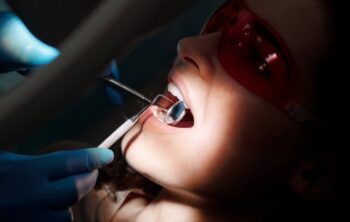
There’s a weird moment in early parenthood when you realize you’ve become the official keeper of tiny teeth. One day you’re counting fingers and toes, and the next you’re trying to remember if that little white speck is a new tooth or a piece of rice. It’s normal to feel unsure about when dental visits should start, how often they should happen, and what you’re actually supposed to be watching for.
This guide lays out a practical, parent-friendly timeline for your child’s dental care—from the first gum wipe to braces conversations—so you can feel confident you’re doing the right things at the right time. Along the way, we’ll cover what to expect at each stage, what habits matter most, and which red flags are worth a quick call to a dental office.
And because every kid grows at their own pace, think of this as a flexible roadmap. You don’t need perfection; you just need a plan that keeps your child comfortable, healthy, and not terrified of the dentist’s chair.
Before the first tooth: setting the stage (0–6 months)
Why “no teeth” still counts as oral care
Even before the first tooth shows up, your baby’s mouth is doing a lot of development work. The gums, tongue, and oral tissues can still collect milk residue, and bacteria can start building a home. Gentle cleaning early on helps reduce irritation and gets your baby used to having their mouth cared for.
A simple routine is enough: after feedings (especially before bedtime), wipe your baby’s gums with a clean, damp washcloth or a soft infant gum brush. You’re not scrubbing—just sweeping away residue. This also helps you notice anything unusual early, like white patches, sores, or signs of thrush.
It’s also a good time to start thinking about your own oral health. Cavity-causing bacteria can transfer from caregivers to babies through shared utensils, cleaning pacifiers with your mouth, or “taste testing” bottles. Keeping your own dental care on track helps protect your child too.
Feeding habits that support healthy mouths
Night feeding is normal, but prolonged exposure to milk or formula pooling in the mouth can increase risk once teeth arrive. If your baby falls asleep with a bottle, try to transition away from that habit as they grow. For breastfed babies, it’s still helpful to wipe gums before bed, especially once teeth begin to erupt.
Pacifiers and thumb-sucking are also common soothing tools. At this stage, they’re usually not a concern. The key is keeping pacifiers clean and avoiding dipping them in honey or sugar (a surprisingly common old-school trick that can seriously harm teeth later).
If you’re using formula, follow mixing instructions carefully. Over-concentrated formula can affect enamel development, and frequent sipping throughout the day can create constant exposure to sugars. You don’t need to panic—just aim for normal feeding rhythms and a little mouth cleaning afterward.
The first tooth and the first dental visit (around 6–12 months)
When to schedule that first appointment
The most widely recommended milestone is “by age one” or within six months of the first tooth erupting—whichever comes first. That first appointment is less about drilling and more about prevention, coaching, and making the dental office feel familiar.
Many parents assume they should wait until there’s a problem. But early visits can catch issues before they become painful (and expensive). Tooth enamel in baby teeth is thinner than adult enamel, so cavities can progress quickly. Early guidance can make a big difference.
If you’re looking for a kid-focused practice, a pediatric dentist harrison option is often a great fit because pediatric teams are trained specifically in child development, behavior guidance, and age-appropriate prevention.
What happens at a baby’s dental checkup
Expect the appointment to be short. The dentist or hygienist will look at your baby’s mouth, check the gums and any erupted teeth, and talk to you about feeding, habits, and cleaning techniques. Sometimes the exam happens with your child sitting on your lap, which feels far less intimidating than a big chair.
They may also assess things like lip ties, tongue movement, and early bite patterns. If there’s a concern, you’ll usually get simple next steps rather than a big treatment plan. The goal is to build a foundation and make sure your child’s mouth is developing normally.
You’ll likely get recommendations on brushing technique, fluoride use (more on that below), and how to handle teething discomfort. It’s also a great time to ask anything you’ve been wondering—no question is too small.
Brushing starts now (even with one tooth)
Once the first tooth pops through, it’s time to brush twice a day. Use a soft, infant-sized toothbrush and a smear of fluoride toothpaste—about the size of a grain of rice. Yes, fluoride toothpaste for babies is commonly recommended in tiny amounts because it helps prevent early cavities.
If your baby resists brushing (many do), try brushing while they’re lying down, singing a short “brushing song,” or letting them hold a second toothbrush. The goal is building the habit without turning it into a wrestling match.
And if you miss a session now and then, you’re still doing fine. Consistency over time matters more than being perfect every single day.
Toddler years: when habits form fast (1–3 years)
How often should toddlers see the dentist?
Most kids do well with dental visits every six months. That schedule helps your child get used to the routine, allows the dentist to monitor growth, and catches early signs of decay or enamel weakness.
If your child is at higher risk for cavities—maybe due to frequent snacking, enamel defects, or a history of early decay—your dentist may recommend more frequent visits. This isn’t a sign you’re failing; it’s just personalized prevention.
During these years, the dentist may also apply fluoride varnish, which is a quick, painted-on layer of fluoride that strengthens enamel. It’s painless and over in seconds, even if your toddler is wiggly.
Snacks, sips, and the “constant grazing” problem
Toddlers love snacks, and honestly, parents love anything that keeps a toddler happy for five minutes. The tricky part is frequency. Teeth are most at risk when they’re exposed to sugars and starches all day long without breaks. It’s not only candy—crackers, pouches, and even “healthy” dried fruit can stick to teeth and feed bacteria.
Try to create snack windows rather than constant grazing. Water between meals is your best friend. If your child wants something flavored all day (juice, milk, sweet drinks), it can bathe teeth in sugar and raise cavity risk quickly.
A practical approach: keep juice as an occasional treat, serve it with meals instead of sipping all afternoon, and offer water the rest of the time. You don’t need to ban everything—just avoid the all-day drip of sugar.
Thumb-sucking and pacifiers: when to start paying attention
At 1–3 years old, thumb-sucking and pacifiers are still common. Many kids naturally stop on their own. But if the habit is frequent and intense, it can start shaping the palate and affecting how teeth come in.
Most dentists begin monitoring these habits more closely around age 3. If the habit continues past that point, you’ll likely get guidance on gentle ways to reduce it without shame or punishment.
Consider gradual strategies: limiting pacifier use to sleep, offering a comfort object, or using positive reinforcement charts. The key is keeping it calm—stress can actually increase soothing habits.
Preschool and early school years: building independence (3–6 years)
Teaching brushing without giving up control too early
This is the age when kids want to do everything themselves—brushing included. That’s great for confidence, but most children don’t have the dexterity to brush effectively on their own until around age 7 or 8.
A helpful compromise is the “you brush, I finish” method. Let your child brush first, then you do a quick second pass to make sure the gumline and back molars are actually clean. Keep it short and matter-of-fact so it doesn’t feel like a power struggle.
Electric toothbrushes can be a game-changer for some kids, especially if they like gadgets. Choose a child-sized head and a gentle setting, and still supervise to make sure they’re not just chewing the bristles.
Flossing: yes, even for little kids
If your child’s teeth touch, flossing matters. Cavities between teeth are common in kids because those tight spaces trap plaque. Flossing doesn’t have to be elaborate—floss picks designed for children can make it easier.
Start with once a day, ideally at bedtime. If that feels impossible, aim for a few times a week and build up. Consistency beats intensity here.
Make it routine rather than a special event. A quick floss while reading a bedtime story can feel less like “another chore” and more like part of winding down.
What to expect at checkups during these years
Dental visits may include cleaning, fluoride treatment, and sometimes X-rays depending on your child’s risk level and how their teeth are spaced. X-rays help spot cavities between teeth and monitor how adult teeth are developing under the gums.
Your dentist will also watch for early bite issues, crowding, and jaw growth patterns. Even if braces aren’t on the horizon yet, noticing patterns early can make future treatment simpler.
If your child is nervous, it helps to avoid using scary language at home. Instead of “it won’t hurt,” try “they’re going to count your teeth” or “they’ll tickle your teeth clean.” Kids take cues from your tone more than your words.
The age-6 milestone: first adult molars and a big shift in risk (6–7 years)
Those new molars are not baby teeth
Around age 6, many kids get their first permanent molars behind the baby molars. Parents often miss them because there’s no tooth falling out first—these molars just appear. And because they’re permanent, protecting them is a big deal.
These molars have deep grooves that trap food easily, and kids at this age are still learning to brush thoroughly. That combination makes the first adult molars especially prone to cavities.
Ask your dentist to point them out in your child’s mouth so you can help your child brush the right spots. It’s a small step that can prevent a lot of trouble later.
Sealants: a simple tool with a big payoff
Dental sealants are thin protective coatings applied to the chewing surfaces of molars. They’re quick, painless, and can dramatically reduce cavity risk in those groove-heavy teeth.
Not every child needs sealants on every tooth, but many benefit from them—especially on the first permanent molars. Think of sealants like a raincoat for the tooth surface: it doesn’t replace brushing, but it helps.
If your child has a history of cavities or struggles with brushing, sealants can be one of the most cost-effective preventive steps you can take.
Sports and mouthguards: starting the safety habit
If your child is starting organized sports—soccer, basketball, martial arts, hockey—this is a great time to introduce a mouthguard. Dental injuries can happen even in non-contact sports due to falls and collisions.
Store-bought mouthguards can work, but they often fit poorly and end up in the bottom of a backpack. A better-fitting option is usually more comfortable, which means it’s more likely to be worn.
Ask your dentist what type makes sense for your child’s sport and age. The earlier you normalize mouthguards, the less pushback you’ll get later.
When kids start losing teeth: the mixed dentition years (6–12 years)
Loose teeth, new teeth, and cleaning challenges
When baby teeth start wiggling, brushing can get tricky. Kids may avoid the area because it feels weird or tender. But plaque doesn’t take a break just because a tooth is loose, so gentle brushing is still important.
Encourage your child to brush carefully around loose teeth and keep flossing where teeth touch. If gums bleed a little, that’s often a sign of inflammation from plaque—not a sign to stop brushing. If bleeding is heavy or persistent, that’s worth asking the dentist about.
This is also the age when kids start managing more of their own routines. Keep supervision in place, but shift toward coaching: “Did you brush the back teeth?” “Can you show me your brushing?” It helps them build ownership.
Bite development: when to think about an orthodontic evaluation
Many parents assume orthodontics starts in the teen years. But an early screening can be helpful, often around age 7, because it’s a key time to spot jaw growth issues, crowding, crossbites, and habits that affect alignment.
Not every child needs early treatment. Sometimes the best plan is simply monitoring. But catching certain problems early can reduce the complexity (and length) of treatment later.
If you’re curious about what an evaluation involves or what treatment options exist, it can help to read about what an orthodontist looks for during these growth years and how early interventions can guide development.
Breathing, sleep, and oral development (yes, they’re connected)
This might surprise you, but dentists often notice signs related to airway and breathing. Chronic mouth breathing, snoring, or restless sleep can be linked with how the jaw and palate develop.
A narrow palate or certain bite patterns can sometimes go along with mouth breathing. While a dentist isn’t replacing your pediatrician or an ENT, they can be part of the team that notices patterns early.
If your child snores regularly, wakes up tired, or seems to struggle with nasal breathing, bring it up at your dental visit. It’s useful context for the overall growth picture.
Preteens and teens: protecting permanent teeth for the long haul (12+ years)
Braces, aligners, and keeping teeth clean during treatment
If your child begins orthodontic treatment, the risk of plaque buildup often increases because brackets and wires create extra places for food to hide. That doesn’t mean cavities are inevitable—it just means hygiene needs to level up.
Tools like interdental brushes, water flossers, and fluoride mouth rinses can be helpful, depending on your dentist’s recommendation. The biggest factor, though, is routine: brushing after meals when possible and being consistent at night.
Diet matters too. Sticky candies, frequent soda, and constant snacking can quickly cause white spot lesions (early enamel breakdown) around brackets. A few simple swaps—more water, fewer sugary drinks, and limiting sticky snacks—can keep teeth looking great when the braces come off.
Wisdom teeth and late-stage monitoring
Not every teen needs wisdom teeth removed, but many will need monitoring. Dentists often take panoramic X-rays in the teen years to see if wisdom teeth are developing and how they’re positioned.
If wisdom teeth are impacted or likely to crowd other teeth, your dentist may refer you to an oral surgeon for an opinion. Timing varies—some kids have them removed earlier, others never need removal.
The bigger point: even if your child “has all their adult teeth,” regular dental visits still matter because late cavities, gum inflammation, and bite issues can show up during adolescence.
Independence, schedules, and keeping appointments from slipping
Teens are busy. Between school, sports, jobs, and social life, dental visits can start to feel optional. But this is also when habits solidify for adulthood, so keeping consistent checkups is a gift to their future selves.
Let your teen have some control: ask them what time of day they prefer for appointments, involve them in choosing a toothbrush they like, and talk about dental health in practical terms (fresh breath, confidence, avoiding painful emergencies).
If your teen is heading toward college soon, consider scheduling a visit before big transitions. It’s easier to handle small issues at home than during finals week in a new city.
How to choose the right dental home for your child
What matters most: comfort, communication, and consistency
Parents sometimes focus on finding the “perfect” dentist, but the best dental home is usually the one your child can stick with consistently. Familiarity reduces anxiety, and a team that knows your child’s history can spot changes faster.
Look for a practice that explains things in kid-friendly language, welcomes questions, and doesn’t rush you through appointments. A good dental team will talk about prevention in a way that feels doable, not guilt-driven.
If your child has sensory sensitivities, anxiety, or special healthcare needs, ask how the office supports those situations. Many practices have strategies to make visits smoother, like quieter rooms, longer appointments, or gradual “get to know the chair” visits.
Why family dentistry can simplify everything
Some families love having separate providers for kids and adults; others prefer one place for everyone. A family practice can make scheduling easier, especially if you’re juggling multiple children and your own dental care.
When the whole family goes to the same office, kids often feel more comfortable because it’s “our dentist,” not “the scary kid dentist.” They see you doing the same thing, which normalizes the experience.
If you’re looking for a practice that can support the whole household, a harrison family dentist option can be a convenient way to keep everyone’s checkups and cleanings on track without bouncing between offices.
Common parent questions that come up at every stage
Is fluoride safe for kids?
In the amounts recommended by dental professionals, fluoride is considered safe and effective for preventing cavities. The key is using the right amount of toothpaste for your child’s age and supervising brushing so they don’t swallow large amounts.
For babies and toddlers, that usually means a rice-sized smear; for kids age 3 and up, a pea-sized amount. If you’re unsure, ask your dentist to demonstrate the correct amount—it’s often less than people think.
If your community has fluoridated water, that can also help protect teeth. If you use well water or filtered water, let your dentist know so they can advise appropriately.
What if my child has a cavity in a baby tooth?
It’s more common than many parents expect, and it doesn’t mean you’ve done something wrong. Baby teeth have an important job: they help with chewing, speech development, and holding space for adult teeth.
Untreated cavities can lead to pain, infection, and early tooth loss, which can create spacing issues later. Treating cavities in baby teeth is often the healthiest choice, even though those teeth will eventually fall out.
If your child needs treatment, ask about options for comfort, including numbing, nitrous oxide, or other approaches depending on the situation and your child’s needs.
How do I handle dental anxiety (mine or my child’s)?
Dental anxiety is real, and kids can pick up on it quickly. If you’re nervous, try to keep your language neutral and focus on the routine aspects: “We’re going to get your teeth cleaned,” “They’ll count your teeth,” “We’ll pick a toothbrush after.”
Books and short videos about dental visits can help younger kids know what to expect. Role-playing at home—letting your child “check” your teeth with a toothbrush—can also reduce fear through familiarity.
If your child has had a tough experience, tell the dental team before the appointment. A good office will adjust the pace, explain steps more clearly, and help rebuild trust over time.
A simple timeline you can keep on your fridge
Quick milestones (with wiggle room)
0–6 months: Wipe gums, establish feeding habits that support oral health, keep pacifiers clean.
6–12 months: Brush first tooth twice daily, schedule first dental visit by age one, ask about fluoride guidance.
1–3 years: Dental visits about every six months, manage snacking frequency, begin monitoring thumb/pacifier habits.
3–6 years: Parent-assisted brushing, start flossing when teeth touch, consider sealants and early bite monitoring if recommended.
6–7 years: Watch for first permanent molars, ask about sealants, consider an orthodontic screening around age 7.
6–12 years: Support hygiene during tooth transitions, keep regular checkups, monitor bite and jaw growth.
12+ years: Maintain prevention during braces/aligners if needed, monitor wisdom teeth, keep visits consistent through busy schedules.
The “best time” is usually sooner than you think
If you take one thing from this timeline, let it be this: earlier dental care is mostly about prevention and comfort, not treatment. Starting young helps your child see dental visits as normal—and that’s one of the biggest predictors of a stress-free experience later.
And if you’re behind on the timeline, you haven’t missed your chance. Book the next appointment, start with small daily habits, and build from there. Kids are resilient, and healthy routines can begin at any age.